
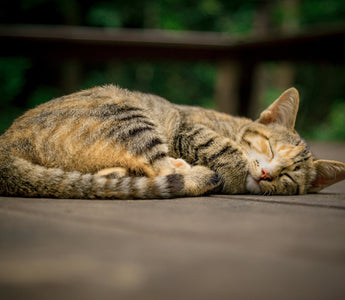
A blocked-up cat is stressful to watch. You see the straining, the trips to the litter box, and nothing happens. The good news is that mild constipation often improves with simple, safe steps at home. This guide walks you through gentle remedies that support your cat. It also shows you the warning signs that it is time to call your vet.
How to Tell If Your Cat is Constipated?
Cats hide discomfort well. So you have to watch closely for small clues. Constipation shows up in both the litter box and your cat's behavior. Here are the signs to look for.
- Straining:Your cat pushes hard but little or nothing comes out.
- Small, hard stools:Any stool looks dry, tiny, or pebble-like.
- Frequent litter box visits:Your cat goes in and out with no result.
- Crying:You hear meows or yowls while your cat tries to poop.
- Reduced appetite:Your cat eats less than usual.
- Vomiting:Your cat throws up, sometimes after failed litter box trips.
- Lethargy:Your cat seems tired, slow, or low on energy.
- Bloated abdomen:The belly looks swollen and firm.
- Passing liquid stool:Watery stool leaks out around a hard blockage.
Besides, a litter box featured with stool and urine analysis helps you a lot. IdealZero automatic litter box can find abnormal behaviour of your cats and know who is at risk with poop analysis.

How to Make a Cat Poop When Constipated? Quick Action
Not sure where to start? This quick table shows what can help for mild constipation. It also shows when you need your vet's guidance first.
|
What to Try |
Helps Mild Constipation? |
Veterinary Guidance Needed? |
|
Increase water intake |
Yes |
No |
|
Feed wet food |
Yes |
No |
|
Encourage exercise |
Yes |
No |
|
Add fiber (if recommended) |
Yes |
Sometimes |
|
Hairball remedies |
Sometimes |
Sometimes |
|
Laxatives |
Caution |
Yes |
|
Enema |
Never at home |
Yes |
6 Safe Ways to Help a Constipated Cat Poop at Home
Belows are 6 safe way to help a constipated cat poop at home. Try them for mild cases only. If nothing improves, move on to the vet section.
Encourage Your Cat to Drink More Water
Dehydration is one of the most common causes of constipation. More water helps soften stool but many cats simply do not drink enough on their own.
Try these ideas to boost your cat's water intake:
- Add a water fountain. Many cats prefer moving water over a still bowl.
- Place multiple bowls around the home so water is always nearby.
- Offer flavored water, like a splash of low-sodium, onion-free broth.
- Keep water fresh and refill bowls daily.

Switch to Wet Food
Wet food is packed with water. That extra moisture softens stool and makes it easier to pass. This is one of the simplest and most natural fixes.
Do not switch foods all at once. A sudden change can upset your cat's stomach. Mix a little wet food into the current diet. Then increase it slowly over about seven days. A gradual transition keeps digestion calm and steady.
Encourage Gentle Exercise
Movement helps the gut move too. Physical activity stimulates intestinal motility, which pushes stool along. A sleepy, still cat is more likely to get backed up.
Try short, fun play sessions each day. Use a wand toy, a ball, or a laser pointer. Give your cat things to climb. Even ten minutes of play can help. Keep it gentle and stop if your cat seems tired.

Add Fiber Only If Your Vet Recommends It
Fiber can help some cats with constipation, but it is not right for every cat. Too much fiber may worsen constipation or cause gas and bloating.
Before adding fiber, talk with your veterinarian. Common options include pumpkin, psyllium, or prescription fiber-rich diets. The best choice depends on your cat's weight, health, and the cause of constipation.
Avoid guessing the amount. The right type and dose can make fiber helpful instead of causing more problems.
Use Hairball Control Products When Hair Is the Cause
If you notice hair-covered stools or frequent hairball vomiting, it shows that hair is the real problem. Long-haired cats and heavy groomers swallow a lot of fur, which can clump in the gut and block stool.

Hairball control products can help hair move through the system. These include hairball gels, pastes, and special hairball-control foods. Regular brushing also helps. Brush long-haired cats daily if you can.
Ask your vet which product fits your cat. Use these items as directed on the label. If hairballs keep causing trouble, your vet can suggest a longer-term plan.
Keep the Litter Box Clean and Easy to Access
Cats are picky about their bathroom. A dirty litter box can make a cat hold it in. Holding stool too long makes constipation worse. So cleanliness really matters here.
Scoop the box at least once a day. Wash it fully on a regular schedule. Place boxes in quiet, easy-to-reach spots. A clean, low-stress setup, like a self-cleaning box such as the IdealZero B1, keeps the box fresh and inviting. That encourages your cat to go on time.

What NOT to Do If Your Cat Is Constipated
It is tempting to try quick home fixes you read about online. But some "remedies" are risky and can seriously harm your cat. Doing the wrong thing will delay real care. Here is what to avoid.
- Don't give human laxatives.Many are toxic to cats.
- Don't force-feed oil.Oil in the mouth can enter the lungs.
- Don't give mineral oil by mouth.It carries a real choking and lung risk.
- Don't perform an enema at home.This is dangerous and must be done by a vet.
- Don't ignore constipation for several days.Waiting too long can lead to serious problems. Check how long can a cat go without pooping.
When Should You See a Vet?
Some symptoms are red flags. They mean home care is not enough. In these cases, your cat needs professional help right away. Use this checklist to decide fast.
Seek veterinary care if your cat:
- Hasn't pooped for over 48 hours.A long gap can signal a blockage that needs medical care.
- Vomiting with constipation may point to a deeper problem and can lead to dehydration.
- Stops eating.A cat that refuses food is telling you something is truly wrong.
- Cries while straining.Vocal pain during pooping shows real distress or a blockage.
- Has blood in stool.Blood can mean irritation, injury, or a more serious issue inside.
- Has a swollen abdomen.A bloated, firm belly signals a backup or obstruction.
- Repeatedly strains without producing stool.Constant pushing with no result needs a vet's exam soon.
- Becomes lethargic.Deep tiredness or weakness is a warning sign you should not ignore.
Your vet has safe tools to help. Once there, treatment depends on how severe the case is.
Possible treatments include:
- Fluids:IV or under-the-skin fluids rehydrate your cat and soften stuck stool.
- Enemas:A vet gives these safely to help clear the lower bowel.
- Manual deobstipation:The vet gently removes hardened stool under sedation.
- Surgery (rare):In severe cases, surgery is needed to fix the bowel.
What Causes Constipation in Cats?
Knowing the cause helps you prevent it in the future. Constipation ususally has several triggers. Here are the most common ones:
Dehydration
Dehydration is the leading cause of feline constipation. When a cat lacks water, the body pulls moisture from stool. That leaves stool dry, hard, and tough to pass. Cats on dry-food-only diets are at higher risk. Older cats and those with kidney issues also drink too little. Steady water intake is your first line of defense.
Hairballs
Cats groom themselves and swallow loose fur. Usually that fur passes through with no trouble. But heavy shedding or long coats can lead to buildup. Hair can clump with stool and slow things down, which is common in long-haired breeds. Regular brushing and hairball products help reduce the risk.
Low-Fiber or Poorly Balanced Diet
Diet has a major impact on your cat’s digestive health. A diet that lacks balance can slow digestion and make stools harder to pass. Too little fiber, or the wrong type of fiber, may lead to constipation.
Low-quality foods also lacks essential nutrients that support healthy gut function. Feeding a complete, balanced diet can help maintain regular bowel movements. If you’re unsure which food is right for your cat, ask your vet for advice.
Obesity and Lack of Exercise
Extra weight and a lack of exercise can slow down your cat’s digestive system. Less active cats often have weaker intestinal movement, causing stool to stay in the colon longer and become harder to pass. Obesity can also increase pressure inside the abdomen. Regular playtime and maintaining a healthy weight can help support normal bowel movements.

Arthritis or Pain
Older cats often develop arthritis and joint pain, which can make using the litter box uncomfortable. Squatting to poop may become painful, causing some cats to avoid the litter box or delay bowel movements. When stool stays in the colon too long, it can become harder and more difficult to pass. Trouble squatting is a subtle but common reason why older cats may become constipated.
Stress and Litter Box Problems
Cats are sensitive to change and stress. A move, a new pet, or loud noise can upset them. A dirty, hard-to-reach, or crowded litter box adds to the problem. Stressed cats may hold their stool too long. That habit leads to constipation over time.
Medical Conditions
Medical conditions can be the root cause.
Examples include:
- Kidney disease,which causes dehydration and dry stool.
- Megacolon,a stretched colon that struggles to push stool out.
- Neurological disease,which can disrupt normal bowel function.
- Pelvic injury,which narrows the space stool must pass through.
- Tumors,which can block or press on the bowel.
If your cat has repeat episodes, ask your vet to check for these.
Frequently Asked Questions about Cat Constipation?
- How long can a cat go without pooping?
Most cats poop once a day. Going 24 to 36 hours without stool can happen. But more than 48 hours is a warning sign.
- Can constipation go away on its own?
Mild constipation sometimes clears up with more water and movement.
- Can I massage my cat to help it poop?
A gentle belly rub may relax your cat and support digestion. Never press hard or force anything. If your cat seems in pain, stop right away and call your vet.
- Is pumpkin safe for constipated cats?
Plain, unsweetened pumpkin is a common fiber source. A small amount may help some cats. Still, ask your vet first, since too much fiber can backfire.


