
You cleaned the litter box today and noticed something unusual: there was no poop to scoop. Maybe it has only been a day, or maybe it has been two. Either way, you are probably wondering: Is your cat okay, or could something be wrong?
Here is the short answer: most healthy adult cats poop at least once every 24 to 36 hours. If your cat has not pooped in 48 hours, pay close attention. Past 72 hours, call your vet.
This guide covers what is normal, what is not, and exactly when a cat not pooping becomes a reason to act.
How Often Do Cats Normally Poop?
Most adult cats poop once or twice a day. It depends on age, diet, activity level, and individual habits. Here is a quick reference:
|
Cat Type |
Typical Poop Frequency |
|
Adult cat |
Once every 24-36 hours |
|
Kitten |
1-4 times per day |
|
Senior cat |
Depending on health |

A few factors shift these numbers.
Diet plays a big role. Wet food provides extra moisture. It helps keep stools softer and bowel movements more regular. Cats that eat only dry food often produce firmer stools and may be more prone to constipation, especially if they do not drink enough water.
Where your cat spends time also matters.
Outdoor cats may have bathroom habits you never see, which makes changes harder to notice. Indoor cats leave their health clues right in the litter box, so it is worth paying attention to what you find there.
How Long Can a Cat Go Without Pooping Before It's a Problem?
A cat can typically go 24 to 36 hours without pooping. At 48 hours, you should be monitoring closely. At 72 hours or more, contact your vet, because it would cause painful constipation or a more serious blockage.
Here is the timeline.
Less Than 24 Hours
Usually normal. A new bag of food, a skipped meal, a thunderstorm, or a houseguest can delay things by a few hours. If your cat is eating, drinking, playing, and urinating normally, there is no need to worry yet. Keep an eye on the box.
Cat Has Not Pooped in 2 Days
When a cat has not pooped in 2 days, it is time to actively observe. Two days is the gray zone: not yet an emergency, but no longer routine.
Watch four things closely:
- Behavior changes:Cats often hide their discomfort. Hiding, restlessness, or spending time in unusual places may be your first clue that something is wrong.
- Water intake:Not drinking enough water is a common reason of Check whether your cat is drinking normally and whether their water bowl needs refilling less often than usual.
- Eating habits:If your cat is still eating but has not passed stool, constipation may be getting worse. A reduced appetite or refusing food is a more concerning sign.
- Litter box behavior:Pay attention to repeated visits, straining, or vocalizing in the litter box. If your cat is trying to urinate but cannot produce urine, especially if they are male, seek veterinary care immediately.

Cat Hasn't Pooped in 3 Days
If your cat hasn't pooped in 3 days, call your vet. Do not wait for dramatic symptoms.
Many clinics can advise whether your cat needs to be seen right away or whether you can continue monitoring at home.
Before calling, gather a few details:
- When your cat last had a bowel movement
- Whether they are eating and drinking normally
- Their energy level and behavior changes
- Any straining, vomiting, or signs of pain
More Than 3 Days
More than three days without pooping is a red flag. Severe constipation can cause a painful blockage. Over time, repeated episodes can also affect how well the colon functions.
You may also notice other warning signs, such as:
- Vomiting
- Not wanting to eat
- Low energy
- Dehydration
- Repeated trips to the litter box without results
Another possibility is an intestinal blockage, which requires immediate veterinary care.
If your cat has gone more than 72 hours without a bowel movement, call your veterinarian or go to pet hospital.
Cat Not Pooping but Acting Normal: Should You Be Worried?
It can be confusing when your cat has not pooped but seems completely normal. They are eating, playing, and acting like themselves, so should you be worried?
In many cases, a short delay in bowel movements is not an immediate emergency. Some cats may simply have a slower digestive day, especially if their routine, diet, or environment has recently changed.
However, cats are experts at hiding discomfort, and subtle changes can sometimes be the first sign that something is wrong. Acting normal does not always mean feeling normal.
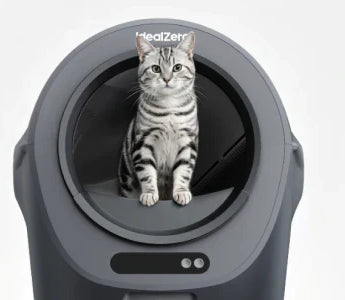
The better method: let the litter box be your data source. Our IdealZero B1 automatic litter box comes right in this problem.
- Abnormal alters: Cat peeing less or more? B1 will warn you.
- Urine & Stool analysis: Weird poop? B1 records it and prove 12-month data.
- Long-term health timeline: Kidney takes months to show. B1 notice the tiny change early.

Why Is My Cat Not Pooping?
Diet-Related Causes
Diet plays a major role in your cat’s digestion. In many cases, constipation starts with one of three common dietary issues:
Not enough fiber: Fiber helps keep stool formed and moving through the digestive tract. A diet low in fiber may slow things down.
Not enough moisture: Cats eating mostly dry food may not get enough fluids, causing the colon to pull more water from stool and make it harder to pass.
Changing food too quickly: A sudden switch to a new food can cause temporary digestive issues, so it is best to transition gradually over 7 to 10 days.
Hairballs
Cats swallow hair during grooming, and most of it passes without issues. However, long-haired cats and heavy shedders may ingest enough hair to slow digestion and increase constipation risk.
Hair-covered stool, frequent hairball vomiting, or a sudden decrease in bowel movements can be warning signs.

Lack of Exercise
Movement stimulates the gut. Indoor cats who sleep most of the day have slower intestinal motility than active cats. Moreover, low activity and constipation tend to reinforce each other, especially in overweight and senior cats.
Stress
Stress changes bathroom behavior fast. Common triggers include:
- Moving to a new home.Stress from an unfamiliar environment may cause cats to hold their stool for a day or more.
- A new pet or family member.Household changes can create stress or competition around the litter box, making cats less willing to use it.
- A dirty litter box.Cats are highly clean animals and may avoid a dirty litter box. Regular scooping helps prevent stool holding and reduces the risk of constipation.
Medical Conditions
Some causes need a veterinarian to identify. Without diagnosing your cat, be aware that reduced or absent pooping can be linked to:
- Constipationitself as a primary condition, especially in middle-aged and senior cats
- Intestinal blockagefrom swallowed objects, string, or dense hair
- Megacolon, an enlarged, weakened colon that cannot push stool effectively
- Pain, such as arthritis or a pelvic injury, that makes squatting or entering the box uncomfortable
Kidney disease and diabetes can also cause chronic dehydration that shows up as constipation. A cat with repeated episodes needs a veterinary workup, not just repeated home remedies.
What You Can Do at Home If Your Cat Isn't Pooping
If your cat is otherwise acting normal, these simple steps may be helpful. Never give your cat human laxatives, enemas, mineral oil, or medication without veterinary guidance, as some products can be toxic to cats.
Encourage Hydration
Water helps keep stools softer. Add extra water bowls, try a pet fountain, mix a little water into meals, and keep bowls clean.
Increase Activity
Regular play stimulates digestion. 10–15 minutes of active play encourages movement.
Feed More Moisture-Rich Food
Wet food contains more water than dry kibble and helps increase your cat’s fluid intake. If switching foods, transition gradually. Ask your vet before adding fiber supplements like pumpkin.
Reduce Stress
Changes like moving, new pets, or loud noises can affect bathroom habits. Provide a quiet space with easy access to food, water, and the litter box.
Keep the Litter Box Clean
Scoop daily, clean regularly, and keep one box per cat plus one extra.
For busy households or multi-cat homes, a self-cleaning litter box can help maintain a consistently clean environment. The IdealZero B1 Self-Cleaning Litter Box automatically removes waste after use, making it easier to keep the litter box fresh and encourage regular use.

Frequently Asked Questions
- Can cats skip a day without pooping?
Yes, occasionally. A single missed day is usually harmless if your cat is eating, drinking, and acting normal. It becomes concerning past 48 hours.
- How can I tell if my cat is constipated?
Common signs of constipation include straining with little result, hard or dry stools, repeated unsuccessful litter box visits, crying while trying to poop, a tense abdomen, and decreased appetite. In some cases, cats may pass liquid stool around a blockage, which can be mistaken for diarrhea.
- Can dry food cause constipation?
Not automatically, but dry food provides very little moisture. Cats that eat only kibble and do not drink enough water are at higher risk.
- Should I massage my cat's belly?
No. Do not attempt deep abdominal massage to "work out" stool. If there is a blockage or impaction, pressure can cause pain or harm. Leave physical intervention to your vet.
- Do kittens poop more often than adult cats?
Yes, considerably. Kittens may poop one to four times a day, while most adults go once every 24 to 36 hours.
Conclusion
There are many reasons of cats not pooping. Observing your cat's behaivor and noticing the time of not pooping are important. In general, the causes can be grouped into three categories: medical issues, environmental changes, and litter box problems. We hope this guide helps you better understand your cat’s constipation and keep your cat happy and healthy.


