
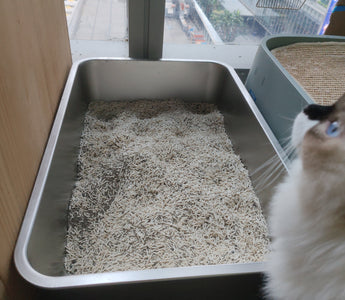
Most healthy adult cats urinate every 6 to 12 hours, although some may go longer during travel or other stressful situations. A full 24 hours without urine should prompt a same-day call to your vet. If your cat repeatedly enters the litter box, strains, cries, or produces only a few drops or no urine, seek veterinary care immediately rather than waiting for the 24-hour mark.
How Long Can Cats Hold Their Pee?
Healthy adult cats typically urinate two to four times a day. That usually means intervals of about 6 to 12 hours between litter box visits. A longer gap is not always a problem, particularly overnight or on a quiet day when a cat drinks less than usual.
Once a cat has gone 24 hours without urinating, veterinary evaluation is recommended even if the cat seems comfortable. At 48 hours, the situation should be treated as an emergency. Straining or repeated attempts to urinate with little or no output require emergency care at any point.
|
Time since the last urination |
What it usually means |
What to do |
|
Up to 12 hours |
Common for many healthy adult cats, especially overnight or on a quiet day |
Keep a clean, accessible litter box available and monitor the usual pattern |
|
12 to 24 hours |
Longer than the usual interval. Stress, travel, or litter box avoidance may be involved |
Monitor closely. Call your vet if the change is unusual or if any other symptoms appear |
|
24 to 48 hours |
Long enough to require veterinary assessment |
Arrange same-day veterinary evaluation |
|
More than 48 hours |
Medical emergency |
Seek emergency veterinary care immediately |
|
Straining, crying, or repeated attempts that produce little or no urine |
Possible urinary obstruction |
Seek emergency veterinary care immediately |
What Affects How Long a Cat can Hold Their Pee? 7 Factors
Stress or Anxiety
Stress can change litter box habits. Some cats hide or avoid the litter box after a move, during a visit from guests, around construction noise, after the arrival of a new pet, or when their routine changes. Stress can also contribute to bladder inflammation in some cats. A sudden change in urination should not be automatically considered as behavioral problems.
Age
Kittens have smaller bladders and urinate more often than adult cats. Senior cats also use the litter box more frequently, particularly if kidney or thyroid function has changed. Mobility matters as well: arthritis makes stairs, high-sided boxes, or distant litter boxes difficult to use.
Activity
Activity can affect how often a cat drinks and urinates. An active cat tend to drink more water and produce more urine than one that spends much of the day asleep. A long nap may extend the interval between litter box visits.

Diet
Cats that eat mostly dry food may produce less urine because they get less water from their meals, resulting in more concentrated urine. Wet or fresh food increases dietary moisture, leading to larger urine clumps or more frequent urination. Increased water intake is also commonly recommended for cats with a history of urinary problems.
An Uncomfortable Litter Box
A cat may avoid a litter box which is dirty, difficult to enter, too small, covered, or filled with an unfamiliar type of litter. Placement also matters. A box beside a washing machine, behind a closed door, or down a flight of stairs may be difficult or unpleasant to use, especially for an older cat.
Traveling or Being Away From Home
Travel can temporarily delay urination. An unfamiliar environment, a different litter box, limited privacy, and disrupted routines cause some cats to wait until they feel settled. This usually happens after a long car journey, but the same 24-hour threshold still applies. If your cat has not urinated within a full day, contact a vet even if you are away from home.

Pain or a Urinary Problem
Sometimes what looks like "holding pee" is actually a cat having difficulty in urinating. The behavior around the litter box helps distinguish the two.
A cat that is holding its pee avoids using litter box and acts normally. A cat that is struggling to urinate may repeatedly visit the litter box, squat or strain without producing much urine, cry out, lick the genital area, or pass only a few drops or blood-tinged urine.Vomiting, hiding, loss of appetite, or lethargy alongside these signs increases the concern.
If no urine is coming out, a urinary obstruction is possible. This occurs when the urethra is blocked and urine cannot leave the bladder. Male cats are affected more often than females. A suspected obstruction requires emergency veterinary care and cannot be treated at home.
Can Cats Hold Their Pee on Purpose?
Cats do not usually delay urination as a deliberate choice. More often, they avoid a litter box or environment that feels uncomfortable, unfamiliar, or difficult to access and wait until another option is available.
Common triggers include a dirty box, a sudden change in litter, a covered box with limited access, an unfamiliar home, or a litter box placed in a new location. During travel, a cat may also be reluctant to use a temporary setup.
In multi-cat households, access can be another issue. One cat may avoid a litter box if another cat is using or guarding it. This can be easy to miss when several cats share the same boxes.
Punishment cannot solve the underlying problem and may worse litter box avoidance. Instead, check cleanliness, location, access, litter type, box size, and the number of boxes available.
How Can You Tell If Your Cat Is Holding Its Pee?
Start with the litter box. If you scoop it daily, compare the number and size of urine clumps with your cat's usual pattern. No clumps or consistently smaller clumps are worth noting. Also watch for fewer litter box visits, approaching the box and walking away, hiding, reduced appetite, or unusually frequent grooming of the genital area.
Time should be considered together with urine output and behavior. A cat that has not urinated for ten hours but is eating and behaving normally is different from a cat that has made repeated unsuccessful trips to the litter box during the same period. Repeated straining with little or no urine is the more urgent sign.
How to Monitor Your Cat's Urination Habits?
A baseline makes changes easier to recognize. Record how often your cat urinates and note any obvious change in urine clump size or litter box behavior.
Smaller clumps can indicate less urine output, while larger frequent clumps indicate increased urine production. Record unsuccessful trips to the litter box separately. Repeated attempts with little or no urine require prompt attention. Also note changes in appetite, activity, hiding, or vocalizing near the box. These signs can help your vet assess whether the urinary change is part of a broader illness.
In multi-cat homes, it can be difficult to tell which cat produced each clump. Temporary separation can make individual litter box habits easier to track.
The IdealZero B1 automatic litter box featured monitor app tracks visit frequency and duration by cat, helping identify which cat's habits changed and when the change began, offering useful recordings to your vet if necessary.

How to Help Your Cat Avoid Holding Its Pee?
Keep the Litter Box Clean
Scoop the litter box at least once a day, or more often if needed. Replace the litter and clean the box regularly with a mild, unscented product. Strong fragrances can make some cats less willing to use the box.
Provide Enough Litter Boxes
A common guideline is one litter box per cat, plus one extra. Place the boxes in separate locations rather than side by side. This gives each cat another option if one box is occupied or if access to a particular area is blocked by another cat.

Choose an Accessible Location
Place litter boxes in quiet, easy-to-reach areas and keep them accessible at all times. Avoid locations next to food and water bowls. For senior cats or cats with mobility problems, choose a box with a low entry and avoid routes that require stairs or jumping.
Make Travel Less Stressful
When possible, bring your cat's usual litter box or at least the same type of litter. Keep feeding and play routines as consistent as practical. At the destination, a quiet room with the litter box, water, and a hiding place help the cat settle in an unfamiliar environment.
Conclusion
For most healthy adult cats, 8 to 12 hours between urinations is common. No urine for 24 hours needs same-day veterinary evaluation, and 48 hours should be treated as an emergency. Stress, travel, and litter box problems can delay urination, but repeated straining, crying, or attempts that produce little or no urine require immediate veterinary care. If you cannot tell whether your cat is avoiding the box or unable to urinate, contact a veterinarian promptly.


