
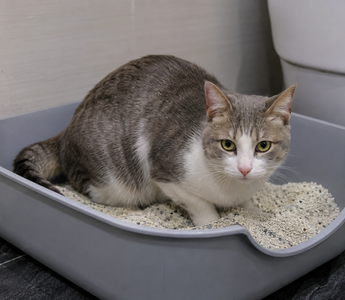
Most cats poop about once a day, but there is no single "perfect" schedule that fits every cat. Some healthy cats go twice daily. Others may wait up to 36 hours between bowel movements. It depends on their diet, lifestyle, age and health.
This guide breaks down normal ranges, common causes of change, and clear signs that mean it is time to call your vet.
How Often Should Cats Poop?
A healthy adult cat usually poops about once every 24 hours.
Think of poop frequency as a range, not a fixed rule. What matters most is consistency for your cat. Use this quick reference to see where your cat fits.
|
Cat Type |
Typical Poop Frequency |
Notes |
|
Adult cat |
Once every 24 hours |
Most common healthy pattern |
|
Some adult cats |
Every 24–36 hours |
Still normal if stool looks healthy |
|
Kitten |
1–4 times per day |
Faster digestion, frequent meals |
|
Senior cat |
Once a day or slightly less |
Slower digestion is common |
The numbers give you a starting point, but your cat's personal routine is the real benchmark. Let's break down the most common patterns you might see.
How Often Do Kittens Poop?
A young kitten goes several times a day. As kittens grow, their schedule slowly settles into an adult pattern. Let's look at how this changes with age.
Kitten Poop Frequency by Age
Young kittens have fast digestion and frequent meals. That combination leads to more bowel movements. A very young kitten may poop after almost every feeding.
Here is a simple age-based guide.
|
Kitten Age |
Typical Poop Frequency |
|
Under 4 weeks |
After most feedings, often several times daily |
|
4–8 weeks |
2–4 times per day |
|
8 weeks–6 months |
1–3 times per day |
|
6–12 months |
Moving toward adult, once or twice daily |
Why Do Kittens Poop More Often Than Adult Cats?
- Higher metabolism— kittens burn energy fast as they grow. A quicker metabolism moves food through faster.
- More frequent feeding— kittens eat many small meals a day. More meals naturally mean more waste.
- Developing digestive system— a young gut is still maturing. It processes food quickly and less efficiently than an adult gut.
As your kitten grows, all three factors settle down. Their metabolism steadies, meals space out, and digestion matures, then their poop frequency drops toward the adult once-a-day pattern.
What Factors Affect How Often Cats Poop?
Many reasons influence your cat's bathroom schedule. Diet, water, age, activity, and stress all play a part. When one of these shifts, poop frequency can change either.
Understanding these factors helps you make sense of small changes. It also helps you know which changes deserve a closer look. Let's go through the main ones.
Diet and Food Type
Food has a big impact on poop frequency and texture. Wet food and dry food work differently in your cat's body.
Wet food has higher moisture content. The extra water can increase stool volume and keep things moving smoothly. Cats on wet food tend to have softer and more regular stools.
Dry food has different fiber levels and less moisture. It may produce smaller, firmer stools. Some cats on dry food need extra water to stay regular.
Sudden food changes can affect poop frequency and cause loose stool. When you switch cat food, change it slowly over 7 to 10 days. A gradual switch protects digestion and reduces upset.

Water Intake and Hydration
Water plays a quiet but important role in digestion. Dehydration can slow the gut and lead to harder stool. When a cat doesn’t drink enough, waste moves slowly.
Cats that eat mostly dry food need more water than they get. Dry kibble does not add much moisture to their diet. Adding a water fountain or some wet food can help.
Proper hydration helps prevent constipation and keeps poops regular. If your cat drinks well, digestion tends to run smoothly.
Age and Life Stage
A cat's life stage changes their normal routine. Frequency often shifts as cats grow and age.
- Kittens have more frequent bowel movements. Their fast metabolism keeps things moving.
- Adult cats usually settle into a stable, predictable routine. Once a day is common.
- Senior cats often have slower digestion. That means a higher risk of constipation and less frequent poops.
Activity Level and Lifestyle
Movement supports healthy digestion. Active cats usually have healthier gut function and more regular poops. Play, climbing, and daily activity help keep the system moving.
Less active cats tend to have slower bowel movements. Sedentary or overweight cats can be more prone to constipation. Encourage daily play to keep your cat moving. A little activity supports a healthy bathroom routine.

Stress and Environmental Changes
Cats are sensitive to their surroundings. Stress can affect digestion and litter box habits. A stressed cat poops more or less possibly.
Common stress triggers include:
- Moving to a new home
- Adding a new pet or family member
- Changes in daily routine or feeding times
- A dirty or unpleasant litter box
What Does Your Cat's Poop Frequency Tell You About Their Health?
Your cat's bathroom habits is a health signal. Poop frequency, size, and appearance all offer clues.
Changes can point to trouble early. This is why tracking matters so much. Below are the key signs to watch for on both ends of the range.
Signs Your Cat May Be Constipated
Constipation is a common problem, especially in older cats. Catching it early makes it easier to manage. Watch for these signs:
- No poop for several days
- Hard, dry, or pellet-like stool
- Straining or effort in the litter box
- Crying or vocalizing while trying to poop
- Passing only small amounts of stool
One or two signs may mean mild constipation. Several signs together, or ongoing straining, call for a vet visit.
Signs Your Cat May Be Pooping Too Much
Pooping too often can also signal a problem. Frequent stools, especially loose ones, deserve attention. Possible causes include:
- Diarrhea or very soft stool
- Food intolerance or a recent diet change
- Intestinal parasites
- Stress or anxiety
- Underlying digestive disease
Occasional soft stool may pass on its own. But frequent diarrhea, or diarrhea with other symptoms, needs a vet's evaluation.
Changes in Stool Appearance to Watch For
Frequency is only part of the picture. How the poop looks matters just as much. Check the litter box regularly for these red flags:
- Blood— bright red or dark streaks
- Mucus— a slimy coating on the stool
- Black, tarry stool— may signal internal bleeding
- Very soft or watery stool— a sign of diarrhea
- Unusual or strong smell— a possible sign of infection or diet trouble
Any of these changes is worth noting. Blood, black stool, or ongoing diarrhea should prompt a vet call. When in doubt, take a photo to show your vet.
How to Track Your Cat's Poop Habits
Tracking is the best way to protect your cat's health. When you know their normal, you notice problems early.
Establish Your Cat's Normal Routine
Start by learning your cat's baseline. Watch their habits for a couple of weeks. Note these four things:
- Frequency— how often they poop each day
- Stool size— the typical amount they pass
- Consistency— firm, soft, or somewhere in between
- Timing— the general time of day they tend to go
Once you know these details, you have a reliable baseline. That baseline makes any future change easy to spot.
Watch for Sudden Changes
Sudden changes are your most important warning sign. Pay close attention if your cat:
- Normally poops daily but suddenly stops for a day or more
- Suddenly starts pooping many times a day
- Stool that becomes hard, loose, or bloody
Use Litter Box to Monitor Your Cat’s Bathroom Habits
Keeping an eye on the litter box is one of the easiest way. An automatic litter box can make it even simpler. IdealZero B1 automatic litter box helps you monitor bathroom patterns over time. When your cat has abnormal behaviour, it will send you alerts. A consistent record of your cat's habits helps you and your vet spot trouble sooner.

When Should You Worry About Your Cat's Poop Frequency?
Most poop changes are minor and pass on their own, but some signs need real attention. Knowing the difference helps you act at the right time.
This section covers the clear thresholds for a vet call. When you see these signs, do not wait too long. Early care leads to better outcomes.
Contact Your Vet If Your Cat's Poop Changes Suddenly
Sudden shifts in poop are worth a phone call. Your vet can help you decide the next step. Contact them if you see:
- A sudden increase in how often your cat poops
- A sudden decrease or a full stop
- Blood in the stool
- Ongoing diarrhea or very loose stool
- Signs of pain while pooping
One brief change may resolve on its own. But sudden changes lasting more than a day deserve professional advice.
Emergency Warning Signs
Some symptoms mean you should act right away. These signs may point to a serious problem. Seek emergency vet care if your cat shows:
- Severe lethargy or weakness
- Repeated vomiting
- A painful, swollen, or tender belly
- A complete inability to pass stool
These are not "wait and see" symptoms. A cat that cannot poop and seems very sick needs urgent help. When in doubt, call an emergency vet.
Frequently Asked Questions About Cat Poop Frequency
How often should an indoor cat poop?
Indoor cats usually poop about once a day like outdoor cats. Diet, water, and activity all shape their exact schedule. Some indoor cats go every 24 to 36 hours and stay healthy, as they move less.
How long can a cat go without pooping?
A healthy cat can sometimes go up to 48 hours between poops. Longer than that may signal constipation and deserves attention. For a full breakdown, see our guide: How Long Can a Cat Go Without Pooping?
Do cats poop less as they get older?
Yes, many cats poop less as they get older. Senior cats tend to have slower digestion and metabolism. Reduced activity and lower water intake also play a role. This gradual slowdown is often normal for older cats. But it also raises the risk of constipation. Keep senior cats well hydrated and active when possible. Watch closely for straining or hard, dry stool, which are signs to call your vet.
Conclusion: Understanding Your Cat's Poop Schedule Helps Protect Their Health
Most cats poop about once a day, but every cat is a little different. Some go twice daily while others go every 36 hours. Both can be healthy. Your cat's individual routine is the real benchmark to follow.
Moreover, sudden changes matter more than the exact numbers. A shift from your cat's normal habit is the signal to watch. Hard stool, straining, blood, or a full stop all deserve attention.
Monitoring litter box habits helps you detect problems early. A few seconds of daily awareness can make a real difference.


