
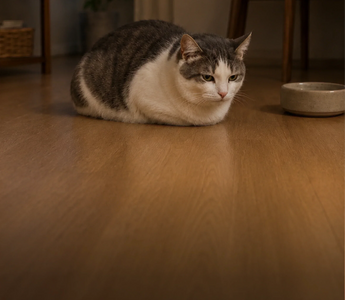
The cause of cats pooping or peeing on the floor could be medical, behavioral, or environmental. It might also be a simple litter box issue. Each of these needs a different fix.
This guide walks you through the most common reasons. You will also learn what to do next. Let's dig in.
Is It Normal for Cats to Poop/Pee on the Floor?
No, this is not normal. Healthy, litter-trained cats rarely poop or pee on the floor. They like to bury their waste in a clean spot. When they refuse the box, something has usually changed.
Why Is My Cat Pooping on the Floor?
There are many possible reasons. Below are the most common ones we see. Read through each and look for what fits your cat.

1. Your Cat Has a Medical Problem
Health issues are often the first thing to check. This is especially true when the behavior starts suddenly. A cat in pain may link the box with that pain. So they start avoiding it.
Several medical problems can trigger this behavior. Here are the most common ones:
- Constipation. Hard, painful stool makes the box feel bad.
- Diarrhea. Sudden urgency means your cat cannot reach the box in time.
- Digestive disorders.Inflammatory bowel disease and other gut issues upset normal habits.
- Parasites. Worms and other bugs cause discomfort and loose stool.
- Pain during bowel movements.Any pain can create a bad box association.
- Arthritis in senior cats.Stiff, sore joints make climbing into a high box hard.
If the accidents started out of nowhere, call your vet. A sudden change often has a medical root.
2. Stress or Anxiety Has Changed Your Cat's Routine
Cats love routine and hate surprises. When their world shifts, they get stressed. That stress can show up in their bathroom habits.
Common triggers include:
- Moving to a house
- A new pet
- A new baby with new sounds and smells
- Guests who disrupt the normal quiet
- Loud noises
- Changes in your schedule that shift feeding or play times
The fix here is patience and calm. Keep routines steady when you can. Give your cat safe, quiet spaces to retreat to. Most stress accidents fade once your cat feels secure again.
3. Your Cat Is Marking Territory or Communicating
Urine marking is far more common for this. Some cats use poop to communicate too. This is called middening.
A few situations can bring on this behavior. Watch for these:
- Conflict with another cat in the home
- Outdoor cats hanging around near windows or doors
- Major environmental changes that make your cat feel unsettled
In these cases, the poop is not random. Your cat leaves it in open, visible spots on purpose. It is a way to claim space.
4. Your Cat Is Aging
Older cats face new challenges. Age can affect both body and mind. These changes sometimes lead to accidents on the floor.
Several age-related issues can play a role:
- Cognitive dysfunction. This is a lot like dementia in people.
- Vision loss. A cat who cannot see well may miss the box.
- Reduced mobility. Stiff joints make a tall box hard to enter.
- Memory decline. Your cat may simply forget where the box is.
Senior cats do not do this on purpose. Their bodies and minds are changing. They may lose track of the box or struggle to reach it in time.
5. Your Cat Never Fully Learned Proper Litter Box Habits
Some cats never fully learned the basics. Without good habits early on, accidents are common.
- Young kittens still learning where to go
- Recently adopted cats adjusting to a new home
- Former outdoor cats used to going on dirt or grass
- Rescue cats with unknown or rough backgrounds
These cats need training and time. Show them the box and keep it clean. Place them in it after meals and naps. Praise them for using it.
What Should You Do If Your Cat Starts Pooping on the Floor?
Now for the action plan. Here is how to work through them step by step.
Rule Out Medical Issues First
Always start with your cat's health. This is the most important step. A sudden change in bathroom habits can signal illness.
Never ignore a sudden shift in behavior. A cat who was fine last week may be hurting now. Pain and sickness often hide behind these accidents.
Look for Recent Changes at Home
Think back over the last few weeks. What changed in your cat's world? Run through this quick checklist:
- New pet in the home
- Moving to a new place
- Renovation or loud home projects
- New family member, like a baby or roommate
Match the timing to the accidents. If the poop started after a big change, you found the reason. Ease your cat back into a calm routine.
Observe Your Cat's Behavior Carefully
Watch your cat closely and take notes. Keep an eye on these signs:
- Appetite. Are they eating more or less than usual?
- Stool consistency.Is it hard, soft, or runny?
- Energy level.Are they active or hiding away?
- Straining. Do they struggle or cry while going?
- Frequency. Are they going more or less often?
An automatic litter box with health monitor APP can help you observe your cat and send you alters when there are abnormal changes. IdealZero B1 automatic litter box comes this way.

Clean the Area Thoroughly
Cats have a strong sense of smell. Even a faint odor can lure them back to the same spot.
Use an enzyme cleaner made for pet messes. Regular cleaners may hide the smell from you. But your cat can still detect it.
Evaluate the Litter Box Setup
Your litter box setup deserves a close look. Many accidents trace back to the box. A few basics fix most problems.
Focus on these three things:
- Cleanliness. Scoop daily and wash the box often. Cats hate a dirty box.
- Number of boxes.The rule is one box per cat, plus one extra.
- Accessibility. Use a low-entry box for kittens and senior cats.
A clean box is the biggest factor. This is where a low-maintenance setup helps. A self-cleaning box like the IdealZero B1 gives your cat a fresh, clean space after every use. That removes one of the most common triggers.

Does Where Your Cat Poops Matter?
Yes, location matters a lot. The spot your cat chooses is a real clue. It can point you straight to the cause.
This is where many owners get stuck. They know their cat is pooping outside the box. But they do not read the deeper message in the location.
Let's break down the most common spots. Each one tells a slightly different story. Match your cat's favorite spot to the reasons below.
Why Is My Cat Pooping on the Carpet?
Carpet is a common target for a reason. Many cats prefer soft surfaces under their paws. Carpet feels like the loose dirt they would use outdoors.
There may be another reason too. If your cat went there once, odor can linger. That leftover smell pulls them back to the same spot.
Stress can also play a role. A worried cat may seek the comfort of soft ground.
Why Is My Cat Pooping in the Bathroom?
The quiet and private bathroom makes it appealing to a cat who wants calm. If the litter box sits in a noisy spot, the bathroom feels safer.
Cats like privacy when pooping. A busy hallway or loud laundry room can stress them out. The bathroom offers a peaceful alternative.
Try moving the litter box to a calmer area would help.
Why Is My Cat Pooping on My Bed or Couch?
Separation anxiety is a common cause. Your bed and couch carry your scent. A stressed cat may go there to feel close to you.
General stress can trigger it too. Your cat mixes their scent with yours for comfort. Address the anxiety, and the accidents often stop.
Why Is My Cat Pooping Right Outside the Litter Box?
Your cat clearly knows where the box is. They just chose not to go inside it.
That usually means something about the litter box isn't working for your cat. It may be dirty, too small, covered, or filled with a litter they dislike.
If your cat consistently poops next to the litter box instead of inside it, the problem is often related to the litter box itself.
When Should You See a Vet?
Some situations cannot wait. Certain signs point to a serious health problem. When you see them, call your vet right away.
Red Flags That Need Immediate Attention
Watch closely for these red flags:
- Blood in the stool.This always needs a vet's eyes.
- Vomiting. Especially when paired with floor accidents.
- Loss of appetite. A cat who stops eating needs help fast.
- Weight loss. Dropping pounds signals a deeper issue.
- Pain while defecating. Crying or straining is a warning sign.
- Constipation lasting several days. This can turn dangerous quickly.
- Repeated accidents. A steady pattern means something is wrong.
Frequently Asked Questions
1. Why is my cat pooping on the floor but peeing in the litter box?
It may point to pain during bowel movements. Your cat links that pain to the box. It can also mean the box feels too dirty for poop but okay for pee. Constipation and litter texture are worth checking too.
2. Why is my male cat pooping on the floor at night?
Nighttime accidents often tie to stress or routine. Your cat may feel anxious when the house goes quiet and dark. Boredom or a dirty box also play a role.
Make sure the box is clean before bed. Check for outdoor cats visiting your yard at night.
3. Why is my cat pooping on the floor in the same spot?
Repeat spots usually come down to lingering odor. Your cat smells the old scent and returns to it. Regular cleaners rarely remove that smell fully. Use an enzyme cleaner to break down the odor completely. You can also block access or place a box there.
4. Will my cat stop pooping on the floor on its own?
No, it will not stop on its own. Floor pooping is a symptom of a deeper cause. Until you fix that cause, the behavior tends to continue.
Final Thoughts
Floor pooping or peeing is almost always a sign that something is abnormal. Your cats are telling you that they need help.
Pay attention to the details. Notice when, where, and how often it happens. Those clues point you to the real cause.


