
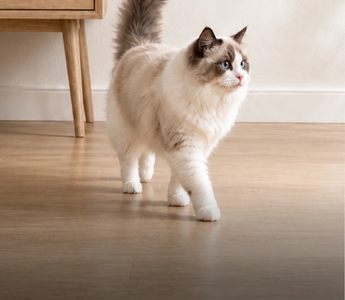
If your cat suddenly starts urinating everywhere, identify the cause before trying to stop the behavior. A cat that used the litter box for years and starts urinating on rugs, furniture, or laundry may have a medical, environmental, or behavioral problem. Defiance is rarely the cause.
Most feline house-soiling falls into four categories: medical disease, stress, territorial marking, or litter box problems. Each requires a different response. Bladder inflammation, for example, needs veterinary care while social stress between cats calls for changes to the home environment.
Read on to learn why your cat urinates everywhere, what it means when it urinates in different places and how to stop it.
Why is My Cat Urinating Everywhere?
Medical causes usually involve either the lower urinary tract or increased urine production. Bladder infections, inflammation, crystals, and stones can cause pain and urgency, while kidney disease can increase thirst and urine volume.
Medical Problems
A sudden change in urination habits warrants a veterinary evaluation before changes are made at home. Medical and behavioral causes can look similar, and a physical examination plus urine testing is often needed to distinguish them.
Urinary Tract Infections
A bacterial urinary tract infection can cause urgency, pain, frequent litter box visits, straining, and small amounts of urine. Other signs may include blood-tinged urine and increased licking around the genital area. A cat with sudden urgency may urinate on a nearby surface before reaching the box.
UTIs are more common in cats over 10 and in cats with kidney disease, diabetes, or hyperthyroidism. Similar signs in younger cats often have another cause, FIC. Urine testing and a culture can confirm whether bacteria are present.
Bladder Inflammation and FLUTD
Feline lower urinary tract disease (FLUTD) is a broad term for conditions affecting the bladder and urethra. In cats under 10, feline idiopathic cystitis (FIC) is a common cause. It causes painful bladder inflammation without an identifiable infection, stone, or crystal. It occurs due to stress.
Pain during litter box use can lead to box avoidance. Some cats begin urinating on another surface and may continue using that location even after the inflammation improves. Treating the medical problem and rebuilding a comfortable litter box routine are both important.
Urinary Crystals or Bladder Stones
Urinary crystals and bladder stones can irritate the bladder and even obstruct the urethra. Affected cats may squat repeatedly, strain, vocalize, and pass small amounts of urine or none at all. Restlessness and small urine spots outside the box may also occur.
Male cats have a higher risk of complete obstruction because their urethras are narrower. Repeated straining with little or no urine requires emergency veterinary care and should not be mistaken for constipation.

Kidney Disease and Other Medical Conditions
Chronic kidney disease, diabetes, and hyperthyroidism can increase thirst and urine production. A litter box that previously stayed clean may become saturated more quickly, leading some cats to urinate elsewhere.
Arthritis can create a different barrier: an older cat may avoid a box that is difficult or painful to enter.
Tell your vet about increased thirst, weight loss, appetite changes, larger urine volumes, or larger puddles. These signs can help distinguish increased urine production from lower urinary tract irritation.
Litter Box and Litter Problems
Dirty, Inadequate, or Uncomfortable Litter Boxes
Some cats avoid a litter box once it becomes noticeably soiled. Infrequent scooping can trigger urinating everywhere, especially in cats that are sensitive to odor or waste buildup.
Box availability also matters. A common cat math is one litter box per cat, plus one extra, placed in separate locations. Several boxes grouped together functions as a single resource, since one cat can easily block access to all of them.
Size and accessibility can also affect use. An adult cat should be able to turn and dig without touching the sides. A box about 1.5 times the cat's body length, from nose to tail base, is a useful target. High sides, covers, tight liners, or placement near noisy appliances may discourage some cats.

Your Cat Doesn't Like the Litter
Many cats prefer unscented, fine-grained clumping litter. Strong fragrances, coarse pellets, deodorizing crystals, or sudden changes in litter type may lead to avoidance. About two inches of litter usually provides enough depth for digging without overfilling the box.

Stress and Anxiety
Changes in the home can affect litter box habits, including a new baby or pet, schedule changes, visitors, and nearby construction. Some stressed cats urinate on bedding or clothing, especially when these areas provide a quiet, familiar surface.
Behavioral Problems
Territorial Marking
Urine marking is a form of scent communication rather than normal elimination. Triggers may include outdoor cats visible through windows, new animals in the home, or competition between resident cats over food, resting areas and other resources. Neutered males and spayed females can both mark.
Marking typically involves small amounts of urine on vertical surfaces near doors, windows, or socially important areas.
Surface Preference
Some cats develop preferences for specific textures. Bath mats, laundry, rugs, plastic bags, and potting soil may become alternatives to litter because they are soft, absorbent, or easy to dig. Once a cat repeatedly uses a surface, the behavior can become established. Residual urine odor can also encourage repeat use of the same location.
Is Your Cat Urinating or Marking Territory?
Urinating and spraying can occur in the same home but often have different triggers and treatments. If possible, observe your cat during an episode and compare the posture, surface, and urine amount with the table below.
|
Feature |
Urinating |
Spraying |
|
Typical posture |
Squatting |
Standing |
|
Tail |
Usually relaxed |
Often upright, may quiver |
|
Surface |
Usually horizontal |
Often vertical |
|
Amount |
Larger puddle |
Small amount |
|
Primary function |
Bladder emptying |
Scent marking |
What Does the Location of the Urine Mean?
Location can help narrow the possibilities. Urination on a soft, absorbent surface often suggests a different problem from small-volume marking on a doorframe or wall.
Peeing on Carpet
Carpet is soft, absorbent, and easy to scratch, making it an appealing alternative for litter. Repeated use of the same area often indicates residual odor. Urination in quiet or rarely used rooms may also reflect a preference for privacy or avoidance of another cat near the litter box.
Peeing on the Bed or Clothing
Bedding and clothing are also soft and absorbent, and often carry their owner's scent. Cats may choose these surfaces because of their texture, litter box aversion, or stress. For anxious cats, familiar scents may make bedding and clothing more appealing.

Peeing on Walls or Furniture
Small amounts of urine on vertical surfaces, especially around tail height, are more consistent with marking. Check for nearby triggers such as exterior doors, windows facing outdoor cats, or shared pathways between resident cats.
Peeing Near the Litter Box
Urinating beside the box often suggests an issue with the box itself. Common possibilities include pain associated with previous litter box use, a disliked litter texture, high sides that are difficult to climb over, or a covered box that feels restrictive.

How to Stop a Cat from Peeing Everywhere?
Follow this order: rule out medical disease, remove urine odor, improve the litter box setup, reduce stress, and limit access to frequently soiled areas.
Step 1: Rule Out Medical Problems
Schedule a veterinary examination, especially if the behavior began suddenly or persists. Your vet may recommend urinalysis, bloodwork, urine culture, or imaging depending on the signs. These tests can identify cystitis, stones, infection, kidney disease, diabetes, and other medical causes.
Step 2: Clean Every Previous Urine Spot Thoroughly
Ordinary household cleaners reduce visible staining without fully removing urine compounds. Residual odor can draw a cat back to the same location even when people can no longer smell it. A blacklight can help locate dried urine that is difficult to see under normal lighting.
Use an enzymatic cleaner formulated for pet urine and saturate the affected material, including carpet padding when necessary. Let the area dry according to the product directions. Avoid ammonia-based cleaners and steam cleaning, which can lock in odors or set them deep into carpet fibers.
Step 3: Improve the Litter Box Setup
Provide enough boxes in quiet, separate locations with easy access and clear exit routes. Choose boxes large enough for comfortable turning and digging, and use low-entry designs for kittens, senior cats, or cats with mobility problems. Start with about two inches of unscented, fine-grained clumping litter.
Scoop at least once a day and more often while correcting a house-soiling problem. A self-cleaning box such as the IdealZero B1 can help maintain a cleaner litter bed between visits.

If litter preference is unclear, offer two boxes with different litter types and compare which one your cat uses.
Step 4: Reduce Stress
Keep feeding, play, and household routines as consistent as possible. Predictable access to food, litter boxes, resting areas, and social interaction can reduce environmental stress.
Provide each cat with quiet resting areas and vertical space such as shelves, cat trees, or accessible windowsills. Regular interactive play can also reduce tension and increase activity.
In multi-cat homes, distribute food, water, litter boxes, and resting areas across separate locations to reduce competition. Introduce new cats gradually. If stress remains a concern, ask your vet whether a synthetic feline pheromone product is appropriate.
Step 5: Limit Access to Frequently Soiled Areas
After cleaning a frequently used spot, block or cover it temporarily while your cat re-establishes litter box use. Close doors, use washable or waterproof covers, or place another appropriate resource in the area if practical.
Another option is to place a litter box directly on the preferred location, then move it gradually once the cat uses it consistently. Avoid scolding, spraying, or startling your cat. Punishment can increase stress and may cause the cat to urinate in less visible areas instead.
Is Urinating Everywhere an Emergency?
Sometimes. Urinary disease can progress quickly, and some signs require urgent or emergency veterinary care.
Seek veterinary attention promptly if your cat:
- Suddenly starts urinating outside the litter box
- Urinates much more frequently
- Produces very small amounts of urine
- Strains to urinate
- Cries or vocalizes while urinating
- Has blood in the urine
- Licks the genital area excessively
- Drinks significantly more water
- Loses weight
- Becomes lethargic
A complete urinary obstruction is life-threatening, particularly in male cats. Repeated straining with little or no urine, vomiting, marked restlessness, weakness, or crying requires immediate emergency veterinary care.
Final Thoughts
Cat urinating everywhere? Start with a veterinary evaluation, then remove urine odor, improve the litter box setup, and address environmental stress or marking triggers. If the problem persists after medical causes have been treated and the home setup optimized, ask your vet about referral to a veterinary behaviorist.


