
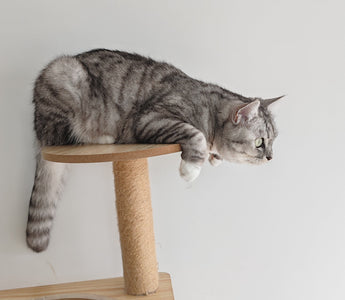
Your cat finishes using the litter box. Then, out of nowhere, she races through the house at full speed. She jumps on the couch, darts down the hallway, and acts wildly energetic. If this sounds familiar, you are not alone.
This funny behavior shows up in many cats. Pet owners often call it "poop zoomies" or "post-poop zoomies." Most post-poop zoomies are completely normal. They are a common and often silly part of cat life. In this guide, we will break down the science, the theories, and the signs that matter.
What Are Cat Zoomies?
Zoomies have an official name. Experts call them Frenetic Random Activity Periods, or FRAPs. During a FRAP, cats do a few classic things. They sprint from room to room, leap onto furniture and chase objects that no one else can see. Some cats even bounce off walls.
These bursts usually last from a few seconds to several minutes. Then your cat stops and goes right back to grooming or napping.
Cats may get zoomies in many cases, such as after a nap, before a meal, or late at night. Post-poop zoomies is one of them.
Why Do Cats Get the Zoomies After Pooping?
To be honest, there is no single proven cause. Instead, experts point to several possible reasons. Let's walk through the leading theories one by one.
1. Pooping Creates a Feeling of Relief
When waste builds up, the intestines get full. Full intestines create pressure inside the body and make cats feel heavy. Once your cat empties her bowels, that pressure goes away.
Removing waste can make a cat feel lighter and freer. This sudden comfort then spark a burst of movement. It is almost like a happy sigh, but with running instead of words.
This theory makes a lot of sense for certain cats. It is especially noticeable in cats that hold their poop longer than usual.
2. A Nerve Response May Trigger Excitement
Here is where biology gets interesting. Your cat's body has a long, important nerve called the vagus nerve. It connects the brain to the digestive system, running through the chest and belly.
The vagus nerve controls many body functions making it plays a part in heart rate, digestion, and rest. When your cat poops, elimination presses on nearby organs and tissues and then the nerve get stimulated. The stimulation may spark a quick reaction. Your cat might feel a brief rush of energy or excitement. This process is sometimes nicknamed "poophoria."

It is important to be cleared that it is a theory, not a proven fact because much of what we know comes from studies on humans and other animals, not from cats.
Even so, many experts believe body sensation plays a role. The vagus nerve idea offers a possible connection between pooping and a burst of energy.
3. Cats Are Celebrating Their Successful Bathroom Trip
Let's shift from biology to behavior. Some experts take a simpler view: your cat is just happy. A clean, successful bathroom trip can feel good. Your cat may feel a mix of pleasant emotions afterward.
Cats do not smile or clap to show these feelings. They use their bodies instead. Some cats naturally express emotion through action.
For these cats, a happy mood turns into physical energy such as: running, jumping and playing.
4. Post-Poop Zoomies Are Connected to Hunting Instincts
Cats are predators, even the cuddly ones on your couch. Their instincts come from wild ancestors.
In the wild, using the bathroom is a vulnerable moment. A cat is still and exposed while she goes. Predators and rivals could strike at that time. Nature taught cats to be careful.
After such a vulnerable activity, a cat may need reset. Instinct may push her to:
- Move quickly
- Check her surroundings
- Return to an alert state
That quick sprint may be a burst of caution turned into action. Your cat is not really in danger at home, but her instincts do not know that.
This theory connects directly to survival. The zoomies is be an old defense habit. Your safe indoor cat is just following ancient wiring.
5. The Litter Box Can Become a Behavioral Trigger
The last reason is about habit and routine. Cats are creatures of routine. They love patterns and predictable steps.
A cat builds a set order of actions around the litter box over time. The sequence often looks like this:
Enter litter box > Eliminate > Leave box > Run and play
When this happens repeatedly, it becomes a learned pattern. The litter box turns into a trigger. Your cat's brain links the box with the burst of activity that follows.
Is It Normal for Cats to Run After Pooping?
Post-poop zoomies are usually normal. For most cats, they are a harmless quirk.
Healthy cats have energy to burn. A bathroom trip is just one of many moments that can release it. The running itself is rarely a red flag. In fact, it often points to a cat who feels good and playful.

That does not mean every case is harmless. Context matters, and the same behavior can mean different things. So let's look at both sides.
Signs Your Cat's Post-Poop Zoomies Are Normal
Most zoomies fall into the normal category. Here are the signs that your cat's post-poop runs are nothing to worry about.
- They happen occasionally.The zoomies come and go, not every single time.
- Your cat appears happy.She looks playful, loose, and relaxed, not tense or scared.
- Her appetite is normal.She eats her meals like usual and shows steady interest in food.
- Her stool is normal.The poop looks firm and healthy, with no odd color or texture.
- She shows no signs of pain.There is no crying, hiding, or hunching while she goes.
When you see this pattern, you can relax. Your cat is simply being a cat. The zoomies are a fun part of her personality. Enjoy the show and grab a video if you like.
When Post-Poop Running May Signal a Problem
Sometimes, running after pooping is a clue. It may point to discomfort or a health issue. The behavior is not the problem itself. It is what the behavior might be telling you.
Watch for these warning signs, especially in groups:
- Running away from the litter box right away, every single time
- Crying or vocalizing during or after pooping
- Straining before or after elimination
- Frequent litter box visits with little result
- Blood in the stool
- Diarrhea
- Constipation
- Sudden changes in behavior or mood
Any of these can suggest pain, digestive trouble, or another issue. A cat who bolts to escape the box may be linking it with discomfort. Here is the key idea to remember. The running itself is not usually the problem. The reason behind the behavior matters most. If the zoomies come with warning signs, call your vet. It is always better to check and be safe.
How to Support Healthy Litter Box Habits?
You cannot control your cat’s post poop zoomies, but you can build a setup to supports good health. A clean, comfortable litter box helps your cat feel safe and happy. It also makes problems easier to spot early.
Keep the Litter Box Clean
Cats are naturally clean animals. A dirty box can stress them out even causing accidents around the house. So cleanliness comes first.
Follow a simple cleaning routine:
- Scoop daily.Remove clumps and solid waste at least once a day.
- Remove waste regularly.Do not let mess pile up between scoops.
- Deep clean periodically.Wash the whole box with mild soap and water on a regular schedule.
If you don’t have time to scoop daily, IdealZero B1 self cleaning litter box can help. It scoops automatically once your cat finishes using it. Moreover, it is the world’s first fully modular design litter box, which means you can disassemble it in 5 mins without any tools and clean it quickly.

Choose the Right Litter Box Setup
The box itself matters more than many owners think. Keep these points in mind:
- Correct box size.The box should be big enough for your cat to turn around with ease.
- Number of litter boxes.A common rule is one box per cat, plus one extra.
- Quiet location.Place the box in a calm, low-traffic spot away from loud noises.
- Easy access.Make sure your cat can get in and out without a struggle.
Monitor Your Cat's Poop and Bathroom Behavior
You are your cat's first line of defense. A little attention goes a long way. Make a habit of checking on her bathroom routine.
Keep an eye on these details:
- Frequency. Notice how often your cat uses the box each day.
- Stool appearance. Watch the color, shape, and texture of the poop.
- Changes in behavior. Pay attention to new habits, both around the box and away from it.
Frequently Asked Questions About Cat Zoomies After Pooping
Still have questions? Here are quick answers to the most common ones.
Why does my cat sprint after pooping?
Your cat may sprint for several reasons at once. The most common ones include relief, instinct, excitement, and simple energy release. For most cats, this sprint is normal and healthy. It is just their way of shaking off the moment and moving on.
Why does my cat meow after pooping?
Some cats are chatty after a bathroom trip. Your cat may be seeking attention or simply communicating with you. She might want you to notice her success. In some cases, though, a meow can signal possible discomfort. If the meowing seems painful, keep a close eye on her. Call your vet if it continues.
Do all cats get poop zoomies?
No, not every cat gets the poop zoomies. Zoomies depend on personality, age, and energy level. Younger cats and playful cats tend to zoom more. If your cat skips the zoomies, there is no need to worry.
Are cat zoomies after pooping a sign of happiness?
Usually, yes. This is especially true when other behaviors are normal. Look for a solid appetite, healthy stool, and a relaxed mood. When those boxes are checked, the zoomies are a good sign.
Should I worry if my cat suddenly stops getting zoomies after pooping?
A single change in behavior is not always a problem. Cats can shift habits for many small reasons. Behavior changes matter most when they come together with other signs. Watch for appetite changes, stool changes, or lower energy overall. If your cat stops zooming and also seems off, take note. That combination is worth a vet visit to be safe.
Final Thoughts: Your Cat's Post-Poop Zoomies Are Usually Normal
Let's bring it all together. Post-poop zoomies are a common feline behavior. Cats run for several reasons. They may feel relieved, energized, or simply happy. They may also be following natural survival instincts. Sometimes it is just a habit built over time. In most cases, the behavior itself is harmless.


