
You pull the armchair away from the wall to vacuum behind it, and the sharp and strong smell of cat urine hits you before you even see the stain. Maybe your cat has been peeing in that corner for weeks. Maybe you just moved into a new apartment where a previous tenant's cat soaked the carpet padding and no one replaced it. You start thinking whether the cat urine is poisonous to me or it is harmful or not.
Cat urine isn't poisonous. It doesn't contain a toxin causing poisoning in humans. But exposure can cause real health and hygiene concerns, especially when urine builds up in a poorly ventilated room. Keep scrolling to learn the symptoms and how to safely clean urine.
Why can Cat Urine be Harmful?
There are three main factors to consider: irritating gases, bacteria in damp or contaminated materials, and the amount and duration of exposure.
Ammonia and Other Irritating Compounds
Fresh urine has little odor. The sharp smell develops later, as bacteria break down urea and release ammonia gas. Ammonia can build up more quickly in:
- Old urine that was never completely cleaned up
- Areas where urine has accumulated, such as an overdue litter box or a frequently soiled corner
- Poorly ventilated rooms
Ammonia is an irritant rather than a poison. Strong exposure can cause immediate, localized irritation, including stinging eyes, a burning or irritated nose and throat, and sometimes a lingering cough while you're in the room.
Microorganisms and Contamination
Urine from a healthy cat's bladder contains relatively few germs. The hygiene concern starts after urine reaches a surface. Litter, carpet, upholstery, and subflooring can hold moisture and organic material, allowing bacteria to grow.
Contamination can then spread through everyday contact: touching a soiled surface and then your phone, getting a scrape on wet material, or using a cleaning cloth that carries the mess into another room. Wearing gloves and washing your hands can prevent most of these problems.
Repeated or Heavy Exposure
The amount of exposure and how long it lasts are important factors. Finding and cleaning up one puddle the same day is very different from dealing with a heavily soiled room, a basement with little airflow, or a litter box that hasn't been emptied for a week. In those situations, ammonia can build up while you continue breathing the air.
People with asthma may notice symptoms sooner because airway irritants can trigger symptoms. If you can smell a strong urine odor every time you open the door, the bigger issue is likely poor ventilation and incomplete cleanup, not simply the smell itself.
What Symptoms can Cat Urine Exposure Cause?
Brief contact with cat urine rarely makes people sick. Symptoms are more likely to come from direct contact with residue, strong odors, or ammonia. The severity generally depends on how much you're exposed to and how long the exposure lasts.
Eye and Nose Irritation
- Watery eyes
- Burning or stinging eyes
- Redness
- Runny nose
- Nasal irritation
Ammonia dissolves easily in the moisture on your eyes and in your nasal passages, which is why these tissues may react first. Symptoms often improve after you leave the area and get some fresh air.
Throat and Respiratory Symptoms
- A scratchy or irritated throat
- Coughing
- Throat discomfort
- Chest irritation
- Shortness of breath in more sensitive people
A closed room with saturated carpet or an overflowing litter box can trap fumes. Your airways may react just as your eyes do. If you have asthma or another chronic respiratory condition, leave the room if you develop wheezing or shortness of breath and follow your usual action plan rather than trying to finish the cleanup.
Skin Irritation
- Redness
- Itching
- Burning or irritation
Skin irritation is more likely with prolonged contact than with a brief splash, such as kneeling on wet carpet, staying in damp clothing, or handling soaked litter with bare hands.
Nausea or Headache from Strong Odors
- Nausea
- Headache
- Feeling uncomfortable or dizzy
A strong smell in a poorly ventilated room can cause headaches or nausea in some people, even without direct contact. Sensitivity varies from person to person, so one person in the household may feel fine while another needs to step outside.
What should You Do If You are Exposed to Cat Urine?
Most exposures can be handled with soap, water, and a few minutes away from the smell. Cleaning up promptly can keep minor irritation from becoming more uncomfortable.
If Cat Urine Gets on Your Skin
- Rinse the area under running water before doing anything else.
- Wash the area with soap and water for about 20 seconds rather than giving it a quick rinse.
- Change out of contaminated clothing and wash it separately. If appropriate for the fabric and product, an enzymatic laundry additive can help with urine residue.
- Wash your hands again after putting the clothes in the washing machine.

Cover any open cuts or scrapes before you start cleaning. If your skin remains red or sore after washing, contact your doctor.
If Cat Urine Gets in Your Eyes
- Rinse your eyes with cleanwater for 10 to 15 minutes. Remove contact lenses first if you wear them.
- Don't rub your eyes. Rubbing can spread the irritant across the eye and cause additional mechanical irritation.
- Seek medical care if pain, redness, blurred vision, or sensitivity to light continues after rinsing.
If You have Been Breathing Strong Urine Odors
- Leave the area instead of trying to finish cleanup.
- Get some fresh air and give the irritation a few minutes to settle.
- Improve ventilation before going back in. Open windows on opposite sides of the room, or place a box fan in a window and point it outward to pull fumes outside rather than circulate them indoors.
- Shorten cleaning hoursand take breaks to avoid prolonged exposure, especially in a basement, closet, or other small room.

Trouble breathing, chest tightness, or symptoms that continue after you leave the room need medical attention.
Who may be more Sensitive to Cat Urine Exposure?
Some people are more sensitive to cat urine exposure, including:
- Young children, who breathe faster relative to their size, have smaller airways, and spend more time close to the floor.
- Older adults, who may have reduced lung capacity or existing heart or lung conditions.
- People with respiratory sensitivities, including asthma, COPD, or allergies.
- People with weakened immune systems because of illness or medication.
- People with open wounds.
- Pregnant people, who are generally advised to have someone else handle litter box duty, though the main concern with cats is feces rather than urine
If you're pregnant, have a weakened immune system, or have a chronic lung disease, ask your own doctor what precautions make sense for you. General advice can't account for your medical history.
How to Safely Clean Cat Urine?
Wiping up urine without breaking down the residue can leave compounds behind, causing odor for months. That lingering smell may also draw your cat back to the same spot. Knowing how to safely clean cat urine is important.
Safe Cleaning Principles
- Wear gloves. Disposable nitrile gloves are enough for most cleanup jobs and help keep contaminated material off your skin.
- Ventilate the area beforestarting. Open a window, turn on a fan, and give fumes a way to escape.
- Remove heavily contaminated materials when necessary. Soaked litter, a ruined rug, or carpet padding that has absorbed a large amount of urine may be easier to replace than to salvage. If urine has reached the padding or subfloor, treating only the surface may not solve the odor problem.
- Use an appropriate enzymatic cleaner. Enzymatic formulas breaksdown urine compounds instead of simply masking the smell. Blot up as much liquid as possible first, then apply enough cleaner to reach as deeply as the urine did.
- Follow the product instructions. Many enzymatic cleaners kept moist for a period of time to work. Wiping them off after a couple of minutes will reduce their effectiveness.
- Wash your hands afterward, even if you wore gloves.
If you're using an enzymatic cleaner, avoid steam cleaning until the enzyme treatment is complete. Heat will set some residues into fibers and make odors harder to remove.
What Not to Do: Don't Mix Cleaning Chemicals
Never mix household cleaning products unless the label specifically shows they are compatible. Bleach-based and ammonia-based cleaners should never come into contact with each other, whether in a bucket, spray bottle, or on the same area of flooring. Mixing them, or using bleach on a heavily urine-soiled area, will produce chloramine gas, which can cause serious respiratory injury.
There's another reason to avoid ammonia-based cleaners on urine spots: ammonia can smell like urine to cats and the cleaned area will encourage your cat to urinate there again.
Let an Automatic Litter Box Handle the Cleanup
Daily scooping is recommended. A lot of the ammonia buildup due to untimely scooping. The longer waste leaves, the more urea breaks down.
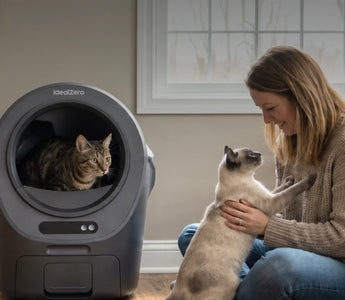
Automatic litter boxes, scooping after each visit and containing waste in a sealed box, help reduce odor buildup.
The IdealZero B1 is designed for the odor control. Featured with fresh air ventilation, odor barrier, green tea odor absorber and dual lockdown, B1 can reduce urine smell effectively.

Final Takeaway
Cat urine won't poison you. As it breaks down, however, it can release ammonia, and in a closed room with a heavily soiled carpet or an overdue litter box, those fumes can irritate your eyes, nose, and airways. They may be especially troublesome for people with asthma or other respiratory sensitivities.
For routine cleanup, wear gloves, ventilate the area, and use an enzymatic cleaner rather than a product that only masks the smell. Keep bleach and ammonia-based cleaners far apart. If you're pregnant or immunocompromised, ask your doctor about precautions that fit your situation. And if your cat is urinating outside the litter box, treat that as a veterinary issue as well as a cleanup problem.


