
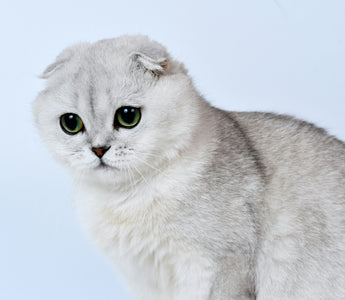
Not every cat wants to sprint across your living room at 3 a.m. Some would rather curl up beside you, watch the world go by.
Breed genuinely matters here. But breed is only part of the story — how a kitten is raised, socialized, and cared for shapes its personality as much as its genes do.
In this guide, you'll learn what actually makes a cat breed calm, meet 15 breeds famous for taking life easy, and find out which ones fit your lifestyle. You'll also pick up practical tips for helping any cat feel more relaxed at home.
What Makes a Cat Breed Calm?
A calm cat breed typically has a relaxed temperament, adapts well to indoor life, and enjoys human company without demanding it around the clock.
That's the short version. Under the hood, calmness comes from several things working together.
Genetics. Temperament is partly inherited. Companion cats tend to carry genes for lower reactivity and a higher tolerance for handling. A Ragdoll kitten is far more likely to grow into a mellow adult than a high-drive breed like a Bengal.
Socialization. Kittens gently handled by people between 2 and 9 weeks old usually grow up confident and relaxed. A poorly socialized kitten from a "calm" breed can still turn out skittish.
Environment. Predictable routines, quiet spaces, clean resources, and enough territory lower stress. Even a naturally chill cat can get anxious in a chaotic household.
Age. Kittens of every breed are little tornadoes. Most cats settle between ages 2 and 4. Adopt an adult, and the personality you see is pretty much the personality you get.
Energy level vs. calmness. These aren't the same thing. A calm cat can still love a good play session — it just winds down quickly afterward. Calmness is about emotional steadiness: how a cat handles noise, visitors, changes, and downtime. Not how many hours it sleeps.
15 Calm Cat Breeds
Here's the quick side-by-side before we dig into each breed.
|
Breed |
Energy Level |
Affection |
Good for Families |
Apartment Friendly |
|
Ragdoll |
Low |
Very high |
Yes |
Yes |
|
British Shorthair |
Low |
Moderate |
Yes |
Yes |
|
Persian |
Low |
High |
Yes (calm homes) |
Yes |
|
Scottish Fold |
Low–Medium |
High |
Yes |
Yes |
|
Birman |
Medium |
High |
Yes |
Yes |
|
Maine Coon |
Medium |
High |
Yes |
Yes (with space) |
|
Russian Blue |
Low–Medium |
High (with family) |
Yes (older kids) |
Yes |
|
Chartreux |
Low–Medium |
High |
Yes |
Yes |
|
Exotic Shorthair |
Low |
High |
Yes |
Yes |
|
Selkirk Rex |
Low–Medium |
High |
Yes |
Yes |
|
Siberian |
Medium |
High |
Yes |
Yes (with space) |
|
Burmese |
Medium |
Very high |
Yes |
Yes |
|
Ragamuffin |
Low |
Very high |
Yes |
Yes |
|
Tonkinese |
Medium–High |
Very high |
Yes |
Yes |
|
American Shorthair |
Medium |
Moderate |
Yes |
Yes |
Ragdoll
Ragdolls truly live up to their name. Pick one up, and it will often go limp in your arms like a rag doll. They are also known for following their owners from room to room. Once they catch up, they usually flop down nearby just to stay close.
Ragdolls have a moderate energy level. Most enjoy a couple of short play sessions each day, followed by long naps. Their silky, semi-long coat is less likely to mat than many people expect. Even so, brushing two to three times a week helps keep it healthy and tangle-free.

Best for: People who spend plenty of time at home and want a loving, dog-like companion. Ragdolls enjoy being around their families and do best in homes where someone is there most of the day.
British Shorthair
If there were a hall of fame for low-maintenance cats, the British Shorthair would be an easy choice. It stays calm, entertains itself while you're away, and enjoys relaxing nearby without demanding constant attention.
Its dense, plush coat only needs weekly brushing, and its easygoing personality rarely causes behavior problems.

Best for: Busy owners who work long hours. The British Shorthair is one of the best breeds for spending time alone while remaining a loyal and steady companion.
Persian
The Persian is perfect for a quiet indoor lifestyle. It loves a calm, predictable home and spends most of the day relaxing. Instead of demanding attention, it shows affection with gentle head bumps and slow blinks.
The biggest commitment is grooming. Its long, luxurious coat needs daily brushing to prevent mats. Its flat face also requires regular cleaning. Spend 10 to 15 minutes a day on grooming, and you'll enjoy one of the calmest and most gentle cat breeds.

Scottish Fold
Scottish Folds are famous for their folded ears and adorable sitting poses. Behind their unique look is a gentle, affectionate cat that bonds closely with its family. They usually enjoy being handled and adapt well to different homes.
However, their folded ears come from a genetic mutation. This mutation can cause a painful joint condition called osteochondrodysplasia. Before choosing this breed, learn about the health risks and buy only from responsible breeders. Ethical breeders never mate two fold-eared cats. Adoption is also a great option.

Birman
Birmans hit a sweet spot a lot of owners are looking for: friendly without being clingy, playful without being wild. They're soft-voiced, polite cats that tend to get along with kids, other cats, and cat-friendly dogs.
Their silky, medium-length coat has no dense undercoat, so it resists matting and needs only a weekly brush. They're happiest in homes where someone's around most of the day — or where a second pet keeps them entertained.

Maine Coon
Don't let the size scare you off. Maine Coons regularly hit 15 to 25 pounds, but these gentle giants have some of the most patient, tolerant personalities in the cat world. They usually get along well with children and adapt well to busy households.
They have a moderate energy level and enjoy interactive play. Some even like water. Their long, shaggy coat needs brushing two to three times a week. Because of their large size, they also need a spacious litter box and sturdy cat furniture.

Russian Blue
Russian Blues are quiet, loyal cats that form strong bonds with their families. They can be shy around strangers but become affectionate once they feel comfortable. They also enjoy a predictable daily routine.

This breed is an excellent choice for apartment living. Russian Blues have a moderate energy level and are happy in smaller homes with a window perch and regular playtime. Their short, dense coat sheds relatively little and only needs weekly brushing.
Chartreux
Chartreux cats are quiet, loyal, and highly intelligent. Many rarely meow and often form a strong bond with one family member. They enjoy following their favorite person from room to room.
They learn routines quickly and enjoy interactive toys and puzzle games. Their energy comes in short play sessions, followed by long naps.
Best for: Busy owners who want a calm, affectionate companion without constant attention.
Exotic Shorthair
The Exotic Shorthair offers the calm personality of a Persian with much easier grooming. Its short, plush coat only needs weekly brushing, making it a great choice for busy owners.
This breed is gentle, affectionate, and easygoing. It has a slightly higher energy level than a Persian but still enjoys a relaxed lifestyle. Exotic Shorthairs do well in apartments and quiet homes, and many love curling up on their owner's lap.

Selkirk Rex
The Selkirk Rex is known for its soft, curly coat and calm personality. They are patient, affectionate, and easygoing. This breed gets along well with children and adapts easily to both busy and quiet homes.
Selkirk Rex cats enjoy interactive play but are never overly demanding. Their curly coat only needs gentle brushing once or twice a week. Avoid overbrushing, as it can flatten the curls.
Siberian
The Siberian is a confident, easygoing cat that adapts well to change. It usually gets along with new people, other pets, and busy households.
This breed has a moderate to high energy level and enjoys daily play and climbing. A tall cat tree is a great addition to its home. Its thick triple coat needs brushing two to three times a week. During shedding season, more frequent grooming helps remove loose hair.
Burmese
Burmese cats are affectionate, social, and people-oriented. They love spending time with their families and often follow their owners from room to room. Many also enjoy sitting on laps or cuddling close.

However, they do not do well when left alone for long periods. They are happiest in homes where someone is around most of the day. A second cat can also help keep them company.
Ragamuffin
Think of the Ragamuffin as the Ragdoll's equally cuddly cousin. These cats melt into your arms and cheerfully accept handling that would send most other breeds under the bed.
Ragamuffins adapt to almost any living situation and get along with kids, dogs, and other cats. The rabbit-soft coat resists matting and needs brushing about twice a week. If you're a first-time owner who wants a guaranteed cuddler, this is one of the safest bets in the cat world.
Tonkinese
The Tonkinese is one of the most active breeds on this list. However, it also adapts well to different lifestyles. It enjoys interactive play with active families but is equally happy relaxing with its owners.
Compared with a Siamese, the Tonkinese is less vocal and has a softer voice. It is affectionate, social, and loves spending time with people. This breed is a great choice if you want a playful cat with a friendly personality.
American Shorthair
The American Shorthair is the no-drama all-rounder. Descended from hardworking ship and farm cats, it landed on a beautifully balanced temperament: moderately playful, moderately affectionate, and rarely anxious about anything.

They're also healthy, low-maintenance, and adaptable to nearly any home. Not sure what kind of cat you want? This is arguably the best starter cat in existence.
Which Calm Cat Breed Is Best for Your Lifestyle?
|
Lifestyle |
Recommended Breeds |
|
Apartment living |
British Shorthair, Russian Blue |
|
Families with children |
Maine Coon, Ragdoll |
|
Seniors |
Persian, Birman |
|
First-time owners |
American Shorthair, Ragamuffin |
|
Busy professionals |
British Shorthair, Chartreux |
The logic is simple. Apartment dwellers need quiet cats that won't bother the neighbors. Families need patience above all — Maine Coons and Ragdolls tolerate noise and handling better than any other breeds.
Seniors often do best with affectionate, low-energy cats. Just keep in mind that Persians need daily grooming. Busy professionals may prefer independent breeds like the British Shorthair or Chartreux. They handle time alone well but still enjoy attention when you get home.
Calm Doesn't Mean Lazy
Calm cats still need daily exercise and mental stimulation. A relaxed personality does not mean they can entertain themselves. Without enough activity, they may overeat, overgroom, or become bored.
A couple of 10-minute play sessions each day are usually enough. Wand toys are a great way to satisfy your cat's natural hunting instincts. After a short play session, most calm breeds are happy to relax again.
Environmental enrichment is just as important. Add a window perch, scratching post, puzzle feeder, or cat tree. These simple additions keep indoor cats active without much extra effort.
A calm cat is easy to care for, but it still needs daily attention and enrichment.
How to Help Any Cat Feel Calm
Breed sets the baseline, but your home decides how relaxed your cat actually is. These habits help any cat — purebred, mixed, adopted, or rescued — feel more secure.
Create a predictable routine
Cats are creatures of habit. Feeding, play, and quiet time at roughly the same hours each day tell your cat the world is safe.
Provide vertical space
In a cat's mind, height equals safety. A cat tree, a cleared bookshelf, or a window perch gives your cat a spot to watch the household from above and retreat when things get busy. In multi-cat homes, vertical territory also cuts down on conflict by giving each cat its own zone.

Keep the litter box clean
A dirty litter box is one of the most common sources of feline stress. Cats are instinctively clean animals. A consistently clean box helps cats feel secure, especially in multi-cat homes.
The standard advice: scoop at least once a day and keep one box per cat, plus one extra. If daily scooping is hard to sustain — you travel, work long hours, or manage several cats — an automatic option like the IdealZero B1 Self-Cleaning Litter Box keeps the box consistently fresh between your check-ins.
Reduce stress during changes
Moving, renovations, new pets, and new babies are the biggest calm-disruptors in a cat's life. During any transition, keep one room unchanged as a safe zone — your cat's familiar bed, box, and food all in place — and introduce changes gradually.
Offer enrichment toys
Rotate a small collection of toys so they stay interesting — a toy that disappears for two weeks feels brand new when it returns. Puzzle feeders, kick toys, and crinkle tunnels let your cat burn energy on its own schedule, which heads off the pent-up restlessness people mistake for "bad behavior."

Common Myths About Calm Cat Breeds
Myth: "My cat sleeps all day, so it must be calm."
Fact: all cats sleep 12 to 16 hours a day. That's normal feline biology, not temperament. Calmness shows in how a cat acts while awake: how it handles noise, strangers, and handling.
Myth: "Calm cats don't like playing."
Fact: every healthy cat has a hunting instinct and benefits from play. Calm breeds just play in shorter, gentler sessions and wind down quickly.
Myth: "Large cats are aggressive."
Fact: size and temperament aren't linked. Maine Coons — the largest domestic breed — are among the gentlest cats you can own. Feline aggression comes from fear, pain, or poor socialization, not body size.
Frequently Asked Questions
- What is the calmest cat breed?
The Ragdoll is widely considered the calmest cat breed, known for going limp when held and rarely showing aggression.
- Which cat breed is best for apartment living?
The British Shorthair and Russian Blue are the top picks — quiet, moderately energetic, and comfortable in smaller spaces.
- Are male cats calmer than females?
There's no strong evidence. Neutered males are often more affectionate, and spayed females may be more independent. However, personality matters far more than sex.
- Which cat breed is best for first-time owners?
The American Shorthair is an excellent first cat: healthy, low-maintenance, and emotionally steady.
- Do calm cats get along with dogs?
Yes. Confident breeds like Maine Coons, Ragdolls, Birmans, and Ragamuffins tend to accept dogs well.
- Are Ragdolls good indoor cats?
Ragdolls are ideal indoor cats — in fact, they should live indoors only. Their trusting, docile nature leaves them poorly equipped for outdoor dangers.
Conclusion
A calm cat is not just about breed. Genetics matter, but so do socialization, daily care, and a stable home.
Choose a cat that fits your lifestyle, and provide the care it needs. With the right environment, your cat can become a relaxed and happy companion.


